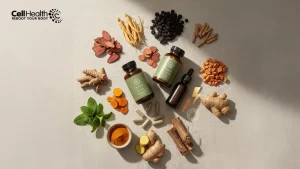

Many women living with PCOS want care that feels gentle and practical. However, picking supplements without a plan can be confusing. Therefore, this guide shows a simple way to use PCOS herbal supplements safely and effectively. Moreover, you’ll see how CellHealth blends herbs with daily habits so progress is steady and measurable.
How naturopathy frames symptom relief
First, naturopathy for PCOS symptoms looks at what drives issues underneath: blood-sugar swings, androgen excess, inflammation, nutrient gaps, and stress. Next, supports are matched to those drivers, not only to a single symptom. As a result, your plan becomes simpler and more targeted. In addition, you can track changes week by week, which builds confidence.
Symptom-to-support map
- Cravings and energy dips → support insulin balance
- Acne or hair changes → support androgen balance and calm inflammation
- Irregular cycles → support ovulation rhythm and reduce stress load
- Bloating or discomfort → support digestion and the microbiome
Evidence-informed options to discuss with your practitioner
Importantly, doses and combinations should be personalised. Even so, the following options are often used as natural PCOS remedies.
To begin with, inositols are used to support ovulation, cycle regularity, and insulin sensitivity. Consequently, many people notice steadier energy and fewer cravings after consistent use.
Additionally, cinnamon is common in herbal treatments for PCOS because it may help glucose handling. For example, adding ½–1 tsp to yogurt or tea is simple and affordable.
- Spearmint tea.
Meanwhile, spearmint offers a gentle approach for androgen-related concerns. Because it is a tea, it also creates a calming daily ritual.
- N-acetyl-cysteine (NAC).
Furthermore, NAC supports the body’s antioxidant system. In practice, many practitioners use it for ovarian support and metabolic health.
On the other hand, berberine is more potent. Therefore, it needs professional oversight—especially if you take medicines for blood sugar or lipids.
- Vitex (chaste tree).
In some cases, vitex is used for luteal support and cycle rhythm. However, timing matters; thus, a personalised plan is essential.
- Omega-3s (EPA/DHA).
Likewise, omega-3s help tame inflammation and support skin and triglycerides. You can use a fish-oil supplement or, alternatively, add oily fish and ground flax.
- Magnesium glycinate.
In addition, magnesium can support sleep, mood, and insulin sensitivity. Better sleep often reduces cravings, so other changes feel easier.
- Vitamin D.
Because low levels are common, testing is wise. After that, supplement to the target range your clinician recommends.
- Probiotics and prebiotic fiber.
Finally, gut support helps clear hormone by-products and regulate inflammation. Therefore, combine diverse plant fibers with fermented foods when tolerated.
Build focused “stacks,” not long lists
Rather than taking everything, create a small stack that fits your goals. For example:
- Blood-sugar focus: inositols + cinnamon + protein-rich meals
- Androgen focus: spearmint tea + omega-3s + strength training
- Cycle-rhythm focus: vitex (if appropriate) + magnesium + regular sleep
- Skin-calm focus: omega-3s + probiotics + colourful vegetables
Start low and go slow. Then add one new item every two to three weeks. If something does not help after a fair trial, pause and reassess.
Quality and safety checklist
Before you buy, look for third-party testing and clear labels. Additionally, review interactions with your clinician, especially if you use thyroid or blood-sugar medicines. During pregnancy, avoid new herbs unless your provider approves. If side effects appear, stop and seek guidance right away. Consequently, your plan stays safe while you learn what works.
Daily foundations amplify every capsule
Herbs work best when the basics are steady. Therefore, build a balanced plate at each meal: half vegetables, a quarter protein, and a quarter slow carbs with healthy fats. After meals, a 10-minute walk can help glucose control. Moreover, strength training two to three times weekly improves insulin sensitivity. Meanwhile, protect seven to nine hours of sleep and add short breathing breaks for stress care. With these habits in place, naturopathy PCOS relief feels realistic rather than overwhelming.
How CellHealth personalises your plan
At CellHealth, the path follows a simple rhythm. First, we assess history, symptoms, labs, and goals. Next, we align on two or three priorities for the month. Then we act with a focused stack of PCOS herbal supplements plus easy lifestyle steps. Finally, we adjust based on results and your feedback. In the end, you get a clear plan that grows with you.
The takeaway
Overall, herbs and nutrients can be powerful allies when they are matched to clear goals and used with care. When you pair targeted supplements with simple daily habits, naturopathy for PCOS symptoms can deliver steady progress. If you want a practical plan that fits real life, a CellHealth practitioner can help you choose safe options and fine-tune them over time, so your natural PCOS remedies actually work for you.