
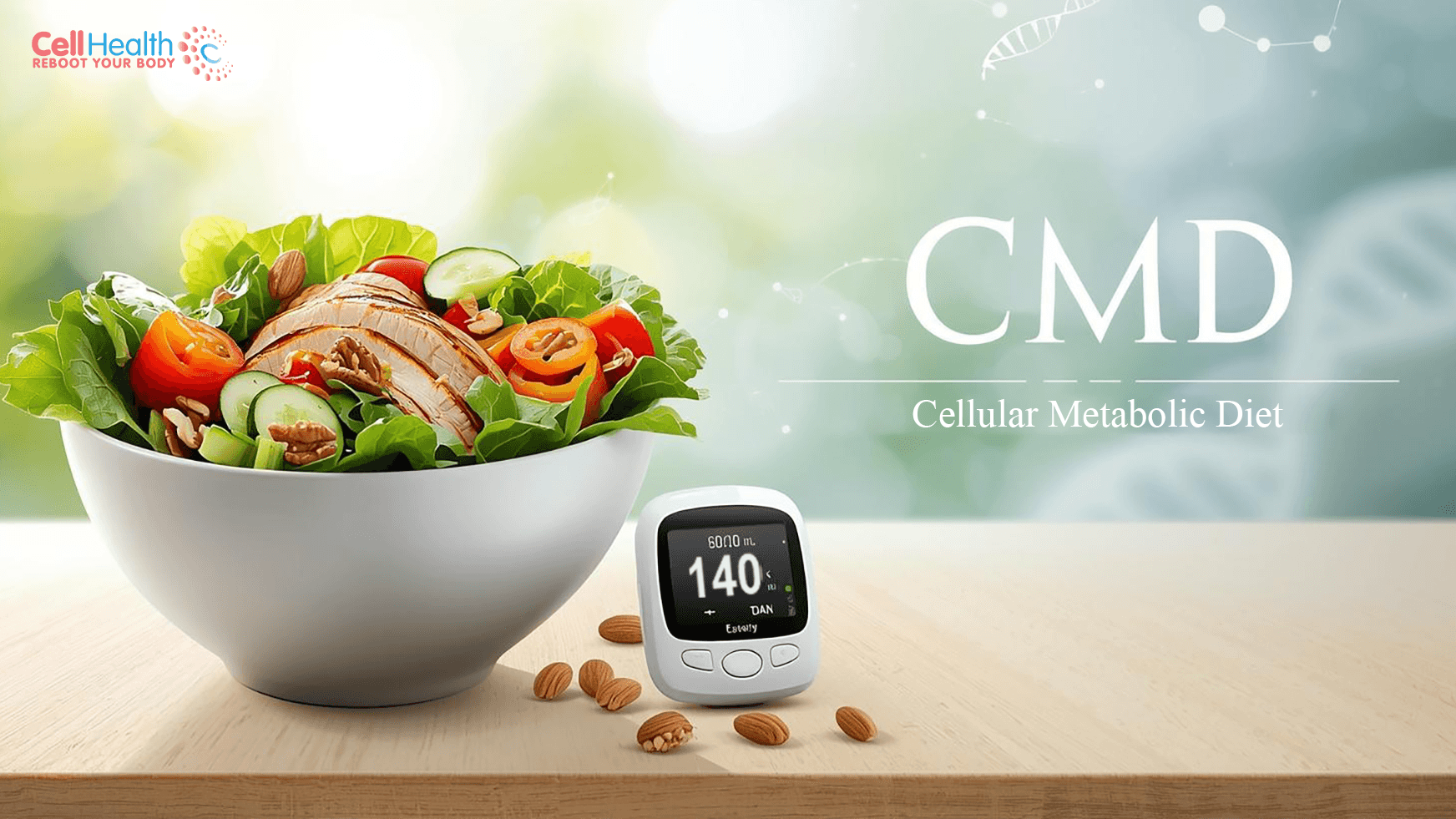
Type 2 diabetes is a chronic condition that impacts millions globally. It occurs when the body becomes resistant to insulin or fails to produce enough insulin to regulate blood sugar levels. Effective blood sugar control is crucial to avoid complications like heart disease, kidney damage, and nerve issues. While medication is commonly prescribed, many people are turning to dietary changes and natural methods to manage the condition. One such approach is the Cellular Metabolic Diet (CMD).
This article explores how the CMD can help regulate blood sugar, enhance insulin sensitivity, and improve overall metabolic health, all while maintaining a sustainable and holistic approach.
Understanding Type 2 Diabetes
In type 2 diabetes, the body either cannot use insulin properly (insulin resistance) or doesn’t produce enough insulin, leading to elevated blood sugar levels. The condition is commonly associated with obesity, poor diet, and a lack of physical activity. Left unmanaged, it can cause serious complications like nerve damage, heart disease, and kidney failure.
Effective blood glucose management is key for individuals with type 2 diabetes, and combining medication with lifestyle changes, such as adopting a diet that improves insulin sensitivity, can lead to better outcomes. It provides a natural, scientifically supported way to achieve this.
What is the Cellular Metabolic Diet?
The CMD Diet is a comprehensive eating plan that focuses on improving metabolic health by nourishing the body at the cellular level. While it shares similarities with traditional diets emphasizing whole foods, it differs by promoting periods of restricted eating combined with normal eating phases, designed to optimize metabolism and improve the body’s ability to manage blood sugar.
Key components of the diet include:
- Whole grains like quinoa, oats, and brown rice
- Healthy fats from sources such as olive oil, fatty fish, and nuts
- Lean proteins like chicken, fish, legumes, and plant-based alternatives
- Fruits and vegetables providing essential vitamins, minerals, and fiber
How the Cellular Metabolic Diet Helps Control Blood Sugar
- Improved Insulin Sensitivity
A major benefit of the CMD is its ability to improve insulin sensitivity. When the body becomes resistant to insulin, it leads to elevated blood sugar levels. By reducing processed sugars and emphasizing nutrient-dense foods, this eating plan helps the body process glucose more efficiently. This naturally helps with blood glucose regulation,, potentially reducing reliance on medications.
- Regulates Blood Sugar Levels
The cyclical nature of the diet, alternating between restricted eating and eating phases, helps regulate blood sugar. During fasting periods, the body uses stored fat for energy, which supports blood glucose management. Additionally, consuming low-glycemic foods such as whole grains and lean proteins helps maintain more stable blood sugar levels throughout the day.
- Promotes Weight Loss and Reduces Belly Fat
Excess weight, particularly around the abdomen, increases the risk of developing insulin resistance. It encourages healthy weight management through controlled calorie intake during restricted phases, while promoting nutrient-rich meals that help increase satiety. This reduction in abdominal fat is particularly beneficial for improving insulin sensitivity and regulating blood sugar.
- Anti-Inflammatory Properties
Chronic inflammation plays a key role in insulin resistance, and the diet’s focus on anti-inflammatory foods can support better blood sugar control. The inclusion of foods rich in antioxidants, like fruits, vegetables, olive oil, and nuts, reduces inflammation in the body, improving metabolic function and enhancing insulin sensitivity.
- Heart Health Benefits
Individuals with type 2 diabetes have an increased risk of developing cardiovascular issues. It includes heart-healthy fats, such as omega-3 fatty acids from fatty fish and monounsaturated fats from olive oil. These fats help improve cholesterol levels, lower blood pressure, and reduce the risk of cardiovascular disease, which is a common complication of poorly managed blood sugar levels.
- A Long-Term Solution
One of the most appealing aspects of this dietary approach is that it offers a long-term, sustainable way to manage blood glucose levels. Unlike restrictive diets, it encourages balanced, nutrient-rich eating habits that are easier to maintain over time. The flexibility of alternating between eating and fasting phases makes it easier for individuals to continue this way of eating without feeling deprived.
How to Get Started
If you are considering adopting the Cellular Metabolic Diet to help manage type 2 diabetes, here are a few tips:
- Consult with Your Healthcare Provider: Always speak with a healthcare professional before starting a new diet, especially if you are on diabetes medication.
- Start Gradually: Begin by incorporating whole grains, healthy fats, and lean proteins into your meals. Reduce refined sugars and processed foods.
- Practice Moderation: Although the diet encourages a variety of foods, portion control is key to avoid overeating during regular eating phases.
- Incorporate Regular Exercise: Exercise improves insulin sensitivity and can enhance the effects of the diet on blood sugar control.
- Monitor Your Progress: Keep track of your blood glucose levels to see how the diet is impacting your blood sugar management.
Final Thoughts
The Cellular Metabolic Diet offers a natural, science-backed approach to managing type 2 diabetes and improving overall metabolic health. By focusing on improving insulin sensitivity, regulating blood sugar levels, and promoting cell health, the diet helps individuals take control of their health in a sustainable, holistic manner.
If you’re ready to explore this diet for better blood glucose management, consult with your healthcare provider to determine if it’s the right option for you.