
A Sudden Loss That Shook Everyone
It was late evening on campus. The lights were still on; the sound of typing filled the air. Among those still working was Pratick Pandey, a bright young aspirant with dreams larger than life. His passion and dedication were contagious, he was known for putting in extra working hours to chase perfection.
But that night, exhaustion turned into tragedy. Pratick collapsed at his desk, a sudden cardiac arrest. Despite every effort, he couldn’t be revived. His passing left not just his friends and mentors in shock, but also raised a haunting question:
Why are heart problems now claiming the lives of young, healthy professionals?
At CellHealth, we’ve seen this disturbing trend unfold, and we believe it’s time to confront it directly.
The Hidden Connection between Working Hours and Heart Health
Modern work culture glorifies long, intense schedules. Late nights, caffeine, and skipped meals have become the “new normal.” But these habits silently affect the body’s rhythm and stress levels.
According to our CellHealth experts, prolonged or irregular working hours directly impact cardiovascular function. They increase blood pressure, alter sleep patterns, and weaken heart muscles over time. When combined with poor diet, dehydration, and mental exhaustion, this can trigger dangerous heart problems, even in people under 30.
Flexible working hours, when implemented correctly, could be part of the solution. Balanced work-life patterns help regulate the body’s stress hormones and support long-term heart and kidney health.
Common Heart Problems Among Young Adults
Our specialists at CellHealth highlight that many common heart problems among young people go unnoticed until they turn serious. These include:
- Arrhythmia (irregular heartbeat)
- Hypertension-related heart strain
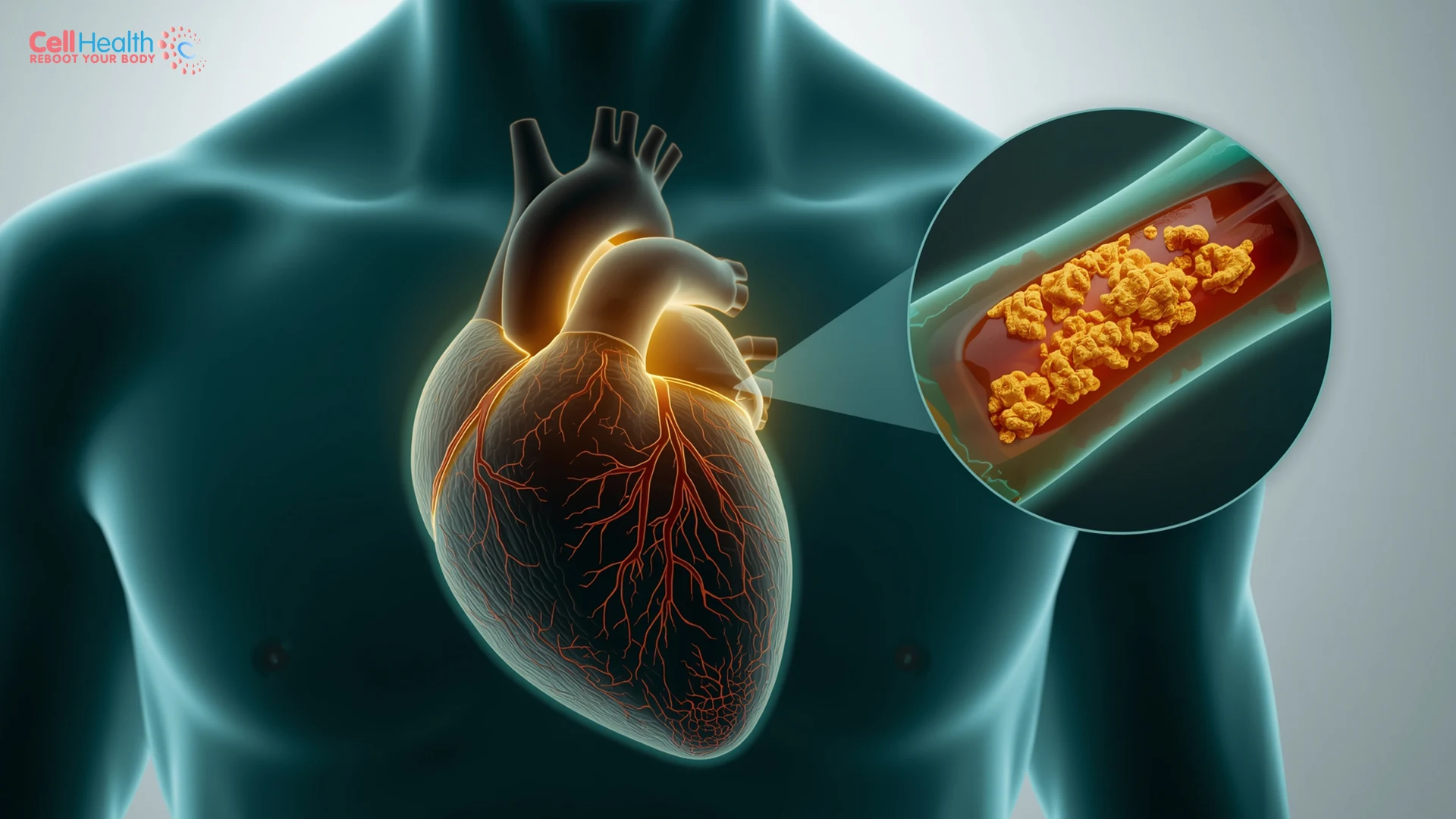
- Coronary artery inflammation
- Stress-induced cardiomyopathy (also known as “broken heart syndrome”)
Ignoring early signs like shortness of breath, chest tightness, or fatigue can turn minor issues into serious heart problems. Regular screening, ECGs, and lifestyle adjustments can help detect and reverse these early changes.
Mental Health: The Silent Contributor
In most cases, it isn’t just the physical strain, it’s the mental one. Continuous stress, anxiety, and lack of rest damage the cardiovascular system. The body can’t differentiate between emotional and physical danger; stress hormones like cortisol remain high, damaging arteries and increasing the risk of heart disease.
Our CellHealth experts emphasize that mental health must be treated as an essential part of preventive cardiac care. Incorporating mindfulness, balanced nutrition, and adequate rest is just as important as any medical test.
The Cellular Connection — Why “CellHealth” Matters
Every organ in your body, including your heart and kidneys, depends on the vitality of your cells.
When you’re overworked, sleep-deprived, and stressed, your cells suffer first. This weakens your heart, slows recovery, and increases inflammation.
At CellHealth, we believe that prevention must begin at the cellular level. Our approach focuses on:
- Restoring energy metabolism at the cellular scale
- Supporting heart and kidney functions
- Guiding young professionals toward sustainable wellness
Because true health isn’t about working harder — it’s about working smarter and healthier.
What Our Experts Recommend
Our panel of CellHealth experts in cardiology, nutrition, and mental health share actionable advice for today’s workforce:
- Monitor Your Working Hours: Maintain a healthy limit. Excessive work without recovery increases cardiovascular strain.
- Schedule Regular Check-ups: Detect potential heart problems early with stress tests and ECG monitoring.
- Focus on Nutrition: Balanced meals and hydration protect your cells and heart.
- Prioritize Sleep: 7–8 hours of uninterrupted rest is vital for heart and mental repair.
- Support Mental Health: Practice mindfulness or seek counseling if burnout feels overwhelming.
Dr. Ananya Mehta, Senior Wellness Consultant at CellHealth, notes:
“The heart doesn’t fail suddenly, it gives signals long before. Listening to your body is the first step to saving your life.”
Learning from Pratick Pandey’s Story
Pratick’s story is not about loss, it’s about awareness. It’s about realizing that no dream is worth more than your health. His dedication inspires us, but his passing reminds us to balance passion with rest, ambition with self-care.
For every young professional pulling late nights, skipping meals, or ignoring chest pain — this is your wake-up call.
Take charge. Get screened. Talk about stress.
Because your body remembers what your mind tries to forget.
Conclusion: Building a Culture That Cares
At CellHealth, we’re committed to transforming how young professionals view health — not as a reaction to illness, but as a proactive lifestyle.
The rising cases of heart problems and kidney issues among youth are not coincidences; they’re consequences of imbalance. But with awareness, early detection, and better working hours, we can protect the next generation from preventable heart tragedies.
Together, let’s create a future where ambition and well-being coexist — where every heartbeat stays strong.