
Polycystic ovary syndrome (PCOS) can make weight loss feel harder than it should be. Insulin resistance, inflammation, cravings, and irregular cycles often get in the way. Still, there is a calm, structured way forward. Naturopathy focuses on root causes and daily habits, so progress becomes steady and sustainable. This Cellhealth guide explains how weight loss with naturopathy works for PCOS and how CellHealth can help you personalise the plan.
Why PCOS makes weight loss challenging
PCOS often raises insulin levels. As a result, your body stores more fat and crave fast energy. In addition, low-grade inflammation and poor sleep can slow metabolism and mood. Therefore, a plan must address hormones, digestion, stress, and movement together. That is the heart of PCOS weight loss naturopathy.
The naturopathic approach: simple, evidence-informed, and personalised
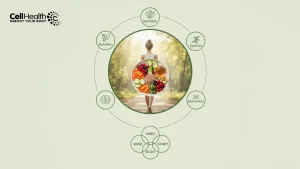
Naturopathy builds change across five pillars: food, herbs, movement, stress care, and sleep. Rather than quick fixes, it uses small steps you can keep. Over time, these steps improve insulin sensitivity, curb cravings, and support a healthy cycle. Most importantly, they fit real life.
- Food that supports hormones and energy
Start by balancing your plate:
- Half vegetables: mostly non-starchy (leafy greens, broccoli, peppers).
- One quarter protein: eggs, fish, chicken, tofu, or lentils.
- One quarter slow carbs: quinoa, brown rice, beans, or sweet potato.
- Add healthy fats: olive oil, nuts, seeds, or avocado.
- This pattern steadies blood sugar, so you feel full for longer. Moreover, aim for 20–30 g of protein at each meal to support muscle and reduce snacking. Include omega-3 foods (flaxseed, walnuts, oily fish) two to three times per week to help calm inflammation. Finally, keep a simple rhythm: three balanced meals, minimal grazing, and water throughout the day.
- Herbal support used carefully
Some herbal remedies for PCOS weight loss are often used in naturopathic care:
- Cinnamon: may support healthy glucose handling.
- Spearmint tea: may help with androgen-related symptoms.
- NAC: supports antioxidant status and ovarian function.
- Berberine: used by practitioners to support insulin sensitivity.
- Herbs are not one-size-fits-all. Interactions are possible. Therefore, work with a qualified professional before starting any supplement, especially if you take medicines or plan pregnancy.
- Movement that builds insulin sensitivity
You do not need long, intense sessions. Instead, use a mix:
- Strength training two to three times weekly (bodyweight, bands, or weights)
- Low-impact cardio on most other days (walking, cycling, swimming)
- Short on time? Try “exercise snacks”: 10 minutes after meals or three mini walks daily. As muscles grow stronger, they pull more glucose out of the bloodstream. Consequently, your cravings fall and energy rises.
- Stress care and sleep hygiene
Stress hormones push blood sugar up and drive hunger. Because of that, schedule brief calming breaks:
- 5 minutes of slow breathing
- A short stretch or a walk outdoors
- Phone-free wind-down before bed
- Aim for seven to nine hours of sleep. A consistent bedtime, a cool dark room, and fewer screens in the last hour all help. Better sleep supports appetite hormones, mood, and recovery from workouts.
- Gentle digestion support
A healthy gut helps clear hormone by-products and manage inflammation. Therefore, eat 25–35 g of fiber daily from vegetables, fruit, beans, and whole grains. Fermented foods like yogurt, kefir, or sauerkraut can also help some people. Start slowly and increase water as you add fiber.
Smart checks to guide your plan
Before you begin, review a few basics with your practitioner: fasting glucose or HbA1c, lipids, vitamin D, thyroid markers if indicated, and a simple symptom diary. With this information, naturopathy for PCOS management becomes targeted and measurable.
A 7-day starter framework
- Day 1–2: build the balanced plate at every meal; add one 20-minute walk daily.
- Day 3–4: introduce two strength sessions (full-body, 20–30 minutes).
- Day 5: try spearmint tea and review hydration (2–3 L water).
- Day 6: plan a protein-rich breakfast; prep vegetables for the week.
- Day 7: reflect on wins, adjust portions, and set goals for the next week.
- Keep it flexible. If a step feels too hard, scale it back and stay consistent.
When to consider professional support
If cycles remain irregular, cravings are intense, or weight is not moving after several weeks, get guidance. A practitioner can personalise naturopathy for PCOS weight loss, review labs, fine-tune macros, and choose safe, appropriate herbs. This approach turns guesswork into a clear plan.
How CellHealth can help
At CellHealth, we use a simple flow: assess, align, act, and adjust. First, we listen to your history and goals. Next, we align on a plan you can keep. Then we act with gentle supports and habit coaching. Finally, we adjust based on data and your feedback. The aim is steady naturopathy for PCOS weight loss, not extreme rules.
The takeaway
You can make progress with PCOS. With balanced food, smart movement, better sleep, and targeted support, naturopathy for PCOS weight loss becomes practical. When you pair these habits with thoughtful guidance, weight loss with naturopathy is realistic and sustainable. If you’re ready for a clear, calm path, speak with a CellHealth practitioner today.
Disclaimer: This article is educational and not medical advice. Please consult your healthcare provider before starting new supplements or therapies.